|
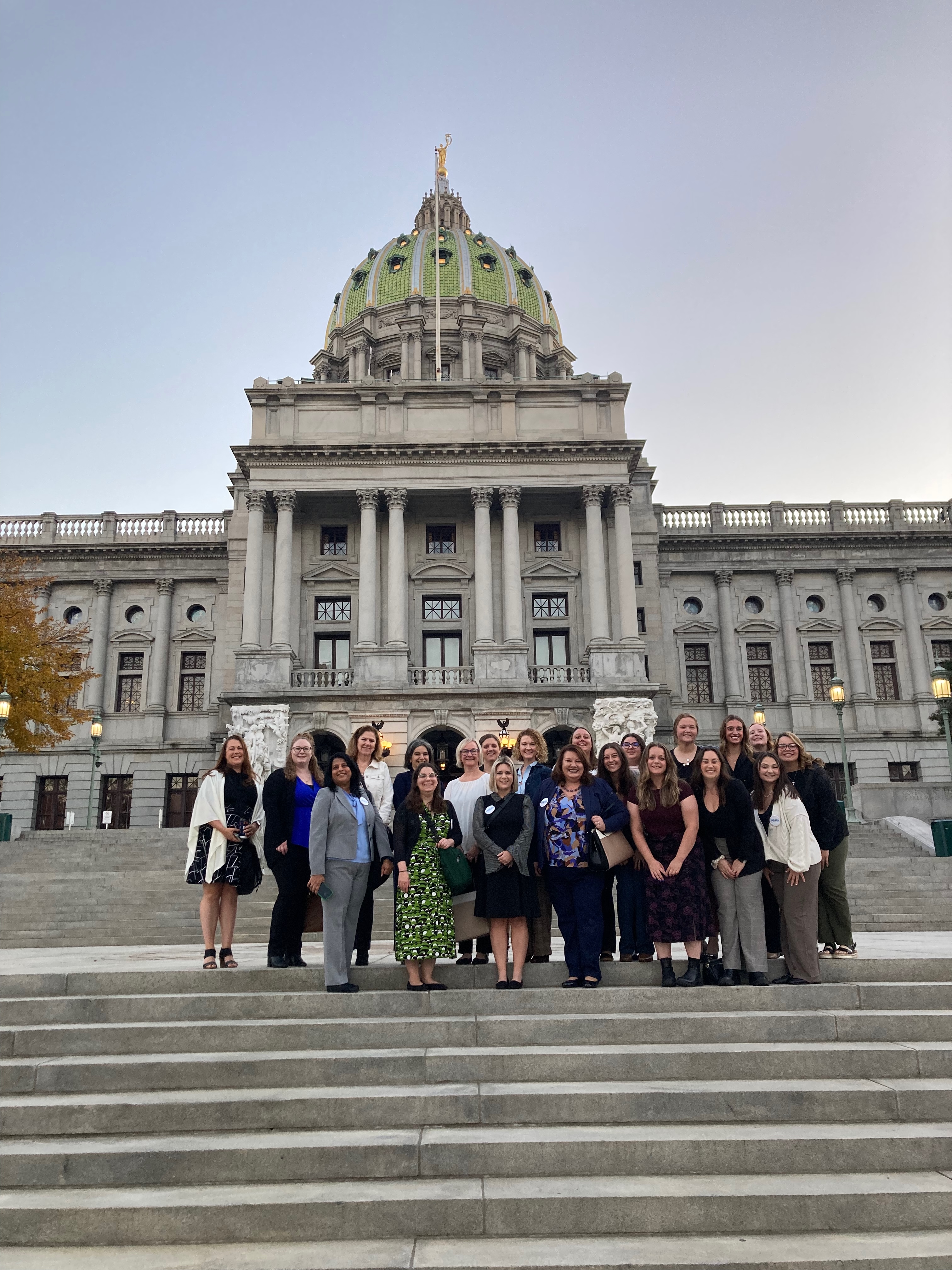
Welcome to the advocacy section of the PSHA website. This section will provide updated legislation for federal and local affairs, as well as opportunities to support legislation. Links to the ASHA advocacy page and contacts are also provided here. Our goal is to allow easy access and continued growth with advocacy. Take ActionThis page is updated regularly to highlight the pieces of legislation we are tracking and how you can take action to engage with your lawmakers. Go to the take action pageState Based Advocacy Networkhttps://www.asha.org/advocacy/state/state-networks/ ASHA State Advocates for Medicare Policy (StAMPs) Network ASHA Stated Education Advocacy Leader (SEALs) ![]() ASHA State Advocate for Reimbursement (STARs), Medicaid and Private Insurance Advocacy UpdatesNovember 2025PSHA President, Nicole Billak, VP of Professional Practice, Akila Rajappa, and Audiologist Susan Dillmuth-Miller joined our colleagues at PAA by giving virtual testimony for the House Aging and Older Adult Services Committee in support of HB1670. This piece of legislation would ensure all Pennsylvania residents can have insurance coverage for hearing aids. Watch the video here. Participated with the ASHA in the Pennsylvania Tri-Alliance meeting with Highmark to advocate for fair payment in upcoming value-based payment models for therapy. Wrote a letter to Gov. Shapiro thanking him for declaring November as Assistive Technology Awareness Month in Pennsylvania. Read more information about the proclamation here. Wrote a letter to express our support for HB 1900, the Educator Tax Credit. In the letter PSHA provided information about the financial burdens placed on SLPs due to out-of-pocket materials spending and expressed hope that SLPs would be included as eligible educators. Wrote a letter to express support for HB 1925, “Regulation of the Use of Artificial Intelligence in Healthcare”. We welcome the introduction of guardrails in this complex and emergent area in order to ensure patient benefit, increase transparency, and reduce bias and discrimination. Wrote a letter to express support for HB 1939, “ID/A Market Index for DSP Services”. Direct Support Professionals are critical for the safety, health and well-being of many disabled individuals in Pennsylvania and addressing reimbursement is a critical first step in addressing staffing shortages in this area. September 2025Wrote a letter to the House Education Committee regarding HB 1701, “Creating a School Facilities Inventory within the PA Department of Education.” PSHA expressed support for the bill and the intent behind it. PSHA expressed the need for representation on this committee from individuals with expertise that goes beyond ADA compliance to include the instructional and educational space needs of children with disabilities. August 2025PSHA leadership, tri-alliance leadership, and ASHA staff met with State Representative Lisa Borowski to support and provide input to her proposed bill “Expanding Access to Therapies” This bill would significantly improve coverage for SLP, OT, and PT services for PA’s children. PSHA leadership also met with Representative Bonner and Senator Brooks’ staff to discuss Medicaid reimbursement rates. June 2025PSHA Hill Day at the state Capitol, PSHA engaged with legislators on several key issues:
2) Tackling workforce shortages throughout the Commonwealth
3) Ensuring manageable caseloads in educational settings.
We were delighted to have members from the Pennsylvania Chapter of the American Physical Therapy Association and the Pennsylvania Occupational Therapy Association join our efforts to increase the Medicaid fee schedule. Our initiatives were well received, and we are eager to advance the next steps for each endeavor. We extend our gratitude to all members from the three organizations who participated, as well as Representatives Markosek and Venkat for their support during our press conference, along with all the representatives we engaged with. We anticipate continuing these important discussions with lawmakers.
April-May 2025PSHA provided a letter of support for the intent of HB 839 “Protecting Patients from Network Changes” to improve continuity of care but provided feedback on the language in Section 2117. Requiring providers who accept MA or CHIP funds to continue services for 120 days after leaving a network could deter Medicaid participation and financially burden small practices. PSHA is tracking SB592, which Senator Tartaglione plans to reintroduce to establish an Office for People with Disabilities under the Governor’s Office. The office would identify service gaps and advocate for improved access and funding. PSHA provided a letter of support for SB 802, which allows individuals with communication impairments to have a designation on their driver’s license. The bill recognizes a wide range of impairments and appropriately includes SLPs and audiologists as qualified professionals. March 2025PSHA provided a letter of support to Senator Kearney to support SB 318, “Ensuring Coverage for Post-Acute Neuro-Rehabilitation.” Access to rehabilitative care for individuals with traumatic brain injury will improve long term outcomes. PSHA provided a letter to Representative Markosek to express support for the proposed legislation, “Insurance Coverage for Childhood Apraxia of Speech.” Early intervention through access to speech therapy in childhood is the best way to improve outcomes for apraxic children, yet access to services remains a challenge for many families. This bill, if enacted, has the potential to improve quality of life for Pennsylvania’s children with apraxia. February 2025PSHA wrote a letter to Rep. Khan to express support for the ”Michael's Law — Admission Fairness for Persons with Care Attendants.” Charging admission fees for personal care attendants places an unfair financial burden on disabled individuals and can limit the number of community outings individuals with personal care assistants may take. This law would remove unjust admission fees. PSHA wrote a letter to Sen. Hughes to express support for “Protecting the Essential Health Benefits for Insurance Policies Sold in Pennsylvania” (former SB 51). The inclusion of rehabilitative services in the list of essential benefits is important for improved quality of life, decreasing readmittance, and promoting more positive outcomes. PSHA wrote a letter to Rep. Mentzer to reiterate support for “The Health Care Practitioner Credentialing Act (Prior HB 1510)”. Our members report that current credentialing practices are burdensome and inefficient, resulting in reduced access to care. The proposed legislation to streamline the credentialing process for healthcare providers will improve access to these important services. October 2024PSHA Hill Day on October 22, 2024 was impactful and demonstrated the collective dedication of members in advancing the profession's legislative priorities. A press conference themed "Improving Access to Care for Pennsylvanians with Communication Disorders" was held during the visit. Representatives Arvind Venkat and Brandon J. Markosek joined PSHA delegates to address key initiatives. The PSHA delegation expressed gratitude to Representative Markosek for championing the House Bill 2268, emphasizing how his leadership improves the lives of individuals with fluency disorders. Additionally, Representative Arvind Venkat spoke about House Bill 1235 Interstate Compact bill as a critical achievement for expanding access to care for Pennsylvania residents. PSHA thanked the legislators for their ongoing support! A special thanks to all attendees and to Angie Armbrust in making the Hill Day memorable and successful! July 2024PSHA provided a letter to Senator Ward to express our interest in Senate Bill 1242, the “Continuing Education Enhancement Act”. The intent of the Bill is to protect PA consumers to ensure efficient license renewals and compliance with licensure requirements through a modernized system of tracking continuing education requirements. The Senate version of the FBI background check HB 2200 passed the Senate unanimously. The bill will now go to the Governor for signing. It paves the way for Compact bills. This year’s school code bill included the following language: Sections 1109 and 1202 add “Authorized to work in the United States” to the qualifications to be a public school teacher, which currently include only citizens of the United States. The bill allows a certificate to teach to be issued to individuals authorized to work in the United States. The bills we had supported, HB 1067, HB1067, and SB393 used very similar language, so this is great news! June 2024PSHA sent a letter to Rep. Powell expressing interest in the memorandum HB 2385: Insurance Coverage for Interprofessional Consultation. Given the interdisciplinary nature of our profession, compensation for interprofessional collaboration and insurance coverage for interprofessional consultation would improve efficiency and patient outcomes. The Senate version of the FBI background check legislation SB 1165, the memorandum ‘Allowing Pennsylvania to Fully Implement Interstate Licensure Compacts’, was voted unanimously out of the House Professional Licensure Committee. The bill went on to receive 1st consideration in the House, setting it up for further consideration in the next session. PSHA sent a letter to Rep. Fiedler supporting the memorandum ‘Creating an Office of School Facilities’ and PSHA leadership held meeting with Fiedler's to discuss ways this bill can ensure the needs of students with disabilities are equitably addressed in facility planning processes. PSHA and ASHA were in conversations with Rep. Markosek regarding HB 2268: Providing Insurance Coverage of Speech Therapy for Stuttering. The Insurance Committee voted unanimously in support of the bill and it received 1st consideration on the House Floor and referred to the Rule Committee. Further actions for PSHA member advocacy will be announced once the bill gets to the Senate. April 2024PSHA wrote a letter of support for HB 2200: FBI-Approved Language to Implement Licensure Compacts. The Pennsylvania Speech-Language-Hearing Association supported the bill to amend title 63. Enactment of the Audiology and Speech-Language Pathology Interstate Compact (ASLP-IC) would further improve access to healthcare by reducing barriers to service providers wishing to practice in Pennsylvania.March 2024PSHA is monitoring HB 1512: An Act amending Title 40 (Insurance) of the Pennsylvania Consolidated Statutes, in regulation of insurers and related persons generally, providing for telemedicine. January - February 2024PSHA wrote a letter of support for HB 2011, Removing Lead from Drinking Water in Schools. PSHA sent a letter of support for HB 1867, Prohibiting Mandatory Electronic Credit Card Payment Fees Charged to Health Care Providers for Reimbursement of In-Network Clinical Services. PSHA had the opportunity to provide written commentary to the House Health Committee regarding the benefits of telepractice and coverage for telepractice services The PSHA Schools Committee worked in collaboration with PaTTAN to developing training for SPED supervisors. December 2023PSHA worked with ASHA to send a letter to Senator Casey to advocate for a technical assistance center within the U.S. Department of Education to support school based SLPs and audiologists. PSHA provided a letter of support for SB 932, Communication Impairment License Designation for Autistic, Deaf, and Hard of Hearing - Assisting First Responders to Sen. Boscola’s office. The letter requested that speech language pathologists and audiologists be added to the list of PA licensed professionals who can support eligibility for Communication Impairment Identification. PSHA wrote a letter in support of HB 1510, Health Care Practitioner Credentialing Act (Prior HB 2613). The proposed legislation would help streamline the credentialing process for healthcare providers, including speech-language pathologists and audiologists. November 2023Pathway to move between Educational Specialist and Instructional Certifications: PSHA presidential leadership met with PDE and assembled a task force of program directors and school-based board members who will revise the competencies for both certifications. During the revision, a pathway to move between SLP school certifications will be clearly defined. PSHA wrote a letter of support for HB 143, The Pennsylvania Teacher Loan Forgiveness Program. The letter supported the initiative to provide financial relief to Pennsylvania’s teachers and improve the quality of education in our commonwealth. A request to add clarifying language specifying eligibility for educators who hold both Instructional and Educational Specialist certificates was included. October 2023PSHA previously met with Sen. Schwank's staff and expressed support for SB 393. The house version of this bill has seen action, which will hopefully allow school-based SLPs on H1B status (i.e., those with work visas) to work in school settings in PA. PSHA provided a letter of support for HB 1104, Michael's Law - Admission Fairness for Persons with Care Attendants (PCAs). PSHA advocated for ending the admission fees for PCAs to minimize financial burden for clients. PSHA wrote a letter in support of HB 928, Creating Dyslexia Intervention Professional Development Requirements. This letter acknowledged the representative for recognizing SLPs' roles in supporting literacy in schools and requested to avoid placing additional administrative burdens on SLPs. September 2023During the public comment period for updates to PA’s Essential Health Benefits Benchmark Plan, PSHA provided input regarding the inclusion of rehabilitation services. We will continue to monitor developments PSHA provided a letter of support for SB 300, The Educator Pipeline Program bill. PSHA advocated for SLPs and other related professionals to be included amongst those eligible for student teaching stipends August 2023PSHA Leadership met with PA Dept of Education to discuss the possible development of a pathway to move between Ed Specialist and Instructional Certifications. PSHA worked with ASHA to add language to HB 1356 (Music Therapy Licensure) to clarify scope across professions and ensure collaboration. With the addition of the new language in place, PSHA will remain neutral on the current version. PSHA wrote letters of support for the following bills: HB 1609/HR 181 (insurance coverage for hearing aids), HB 1235 (the Interstate Compact), HB 342 (services to support college transitions for students with disabilities), and SB 514 (early lead screenings for children).
Be sure to follow our social media for more updates and calls to take action! |